There is one sentence that I hear from every woman I speak to about their fitness and fertility journey: “I just want to know that I have done everything I can, so that regardless of the outcome, I know I have done my best”.
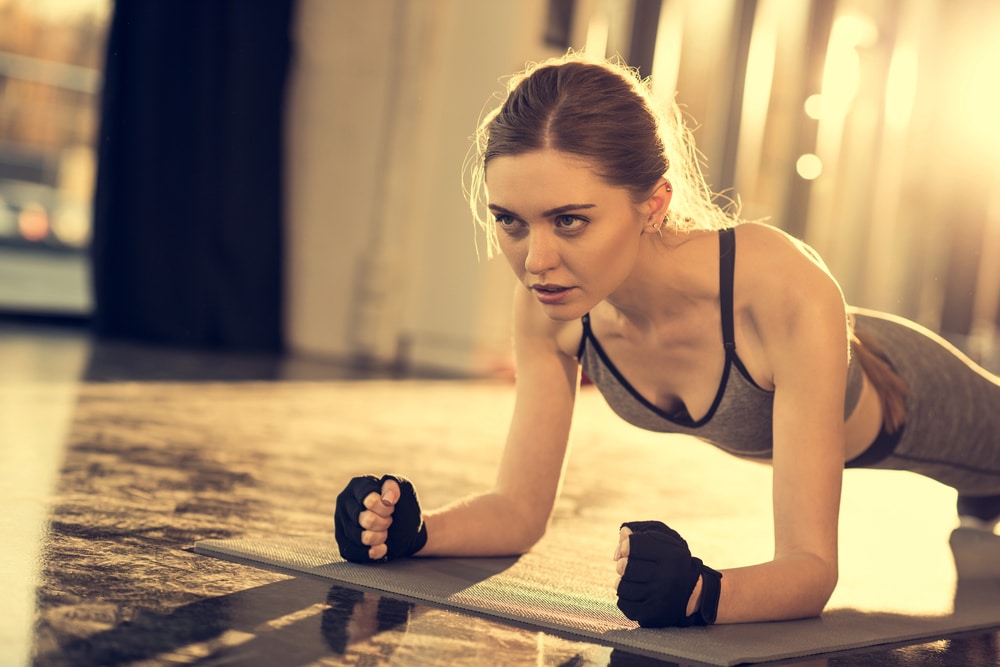
And whilst the feeling of doing your best can be different for everyone, for most women this does involve exercising, and crucially, working out in line with (rather than against) the hormonal changes that take place across the menstrual cycle.
The good news is, learning to work out with your cycle, i.e. across your menstrual cycle, does not have to be complicated, and once you master it, this way of working out can really help with your consistency every month. So here are my five tips for working out across your menstrual cycle.
1. Understand your cycle
Day one starts with the first day of your period and the last day of your cycle is the day before your period. The first stage is known as the follicular phase, and this is usually the part where you feel good, full of energy ,and in the mood to exercise. Ovulation will likely happen around day 14, and then after ovulation you are in the luteal phase.
2. You can workout harder during the first phase of your cycle
Your energy levels are higher so you can run faster, lift heavier, and hold that new pilates pose for longer. If you are focusing on weight loss, maximise your energy levels during this stage and take the opportunity to burn a few extra calories.
3. Post ovulation, you will likely feel much less energised
The dumbbells feel heavier, that 5k park run feels like 10k and all you want to do is stay in bed and watch Netflix. My advice is make sure you still get your workouts in, but whilst listening to your body. Aim to keep your effort level to a five or six out of ten. Do one set instead of two. Walk the 5k instead of running. Go to the shorter yoga class. But, don’t quit. The exercise is important, not just to increase blood flow to your pelvic area, but to support your mental health and wellbeing.
4. Sleep
Regardless of what stage of your cycle you are in, you must rest. Rest is not a passive process; when you are sleeping your body is actively repairing your cells and tissue from the stresses of the day. You may feel like you need more sleep during your luteal phase, so embrace this. Sleep in a little longer. Go to bed a little earlier. But aim for at least eight hours, every night, including the weekend.
5. If you feel up to it, work out when you have your period
Find workouts that are suitable for you, and do consider what sanitary protection you use. Period pants can be a fantastic way to workout and still feel comfortable, and exercise during this time can actually help you feel better and reduce period pain.