Each baby deserves to be born healthy, but preterm birth is one factor that can affect their chances.
According to The March of Dimes, 377,204 preterm births were reported in the United States in 2024, representing 10.4% of live births. That translates into roughly 1 in 10 live births, which is a significant number.
A pregnancy considered higher risk for preterm birth can bring extra appointments, medical decisions, and emotional uncertainty. Factors such as a previous preterm birth, multiple pregnancy, cervical or uterine concerns, infections, high blood pressure, diabetes, and other health conditions increase the likelihood of early delivery.
However, being at higher risk does not mean preterm birth is certain. Careful monitoring, early communication, and practical preparation can help families respond calmly if concerns arise. Here are a few things mothers can prepare ahead for if they are at higher risk of preterm birth.
Understand Your Individual Risks and Warning Signs
Every pregnancy is different, so risk assessment should begin with an honest discussion with an obstetrician-gynecologist (OB-GYN). Some women may be referred to a maternal-fetal medicine specialist. The care team may review previous pregnancies, the timing and cause of any earlier birth, uterine conditions, multiple pregnancy, and existing conditions such as hypertension or diabetes.
Closer monitoring may include more frequent prenatal appointments, ultrasound exams, cervical-length checks, or laboratory tests. Depending on the individual situation, the provider may discuss preventive treatment, specialist consultation, or warning signs that require urgent assessment. Learn to recognize p
Regular contractions or repeated tightening of the abdomen
Pelvic pressure
Unusual, dull lower-back ache
Mild vaginal bleeding or bloody discharge
Watery, bloody, or mucousy vaginal discharge
A gush or continuous trickle of fluid, which may indicate that the waters have broken.
These symptoms may not always appear together. If you notice concerning changes, contact your healthcare provider promptly rather than waiting to see whether they disappear. Seek urgent help if you experience heavy bleeding, severe pain, fever, fluid leakage, or reduced fetal movement.
Have a Practical Birth Plan
If you expect your baby to arrive sooner than they are due, having a practical birth plan makes sense. Cleveland Clinic defines it as a written summary of your preferences regarding your labor, delivery, and postpartum care. Claire Hamp, a certified nurse midwife, says, “When it comes to birth, you have options. It’s like a toolbox. We have different ways to support your labor, but you don’t always want or need all of them.”
Ask your OB-GYN about the situations that might require hospital evaluation or admission. Your plan may include what to do if contractions begin, your waters break, bleeding occurs, or fetal movement changes. Ask which hospital to attend, whom to call after office hours, and whether you should go directly to the emergency department or maternity unit.
Your essential information should be available in a physical folder. This includes prenatal records, recent scan reports, a list of medicines, allergies, and important medical conditions, and blood-group information. Also, have your ID documents, insurance or payment details, and contact information for your healthcare team at hand.
Transportation should also be planned in advance. Identify who can drive you during the day, overnight, or on weekends. If you live far from the hospital, discuss travel concerns with your care team. Have your hospital bag with the essentials for yourself and the baby ready well in advance.
Learn About Newborn and NICU Care
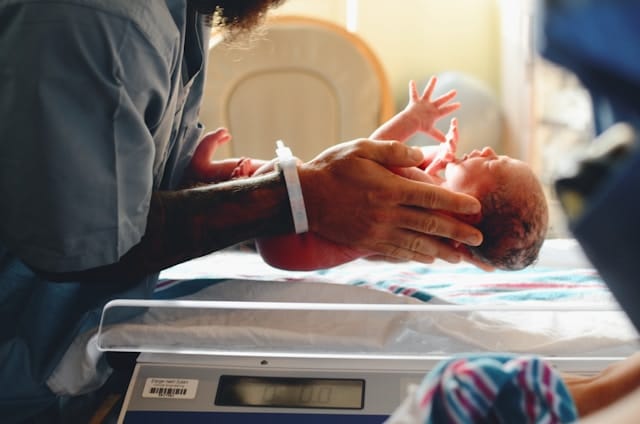
Some babies born prematurely have to be taken to the neonatal intensive care unit (NICU). The level of support they require depends on gestational age, birth weight, breathing ability, feeding skills, temperature regulation, and overall health. Babies born before 34 weeks are more likely to experience health challenges that require NICU care. Babies born between 34 and 37 weeks may also need additional monitoring.
Ask your hospital whether it has a NICU, and find out whether babies needing specialized care are transferred elsewhere. Check the types of care available for preemies, visiting hours, provision of daily updates, and support for treatment decisions. A neonatal doctor, nurse, lactation professional, and other specialists may be involved in care.
A pediatric nurse practitioner may assess the baby, monitor progress, explain treatments, and support communication with the family. According to Spring Arbor University, pediatric NPs are trained to handle newborns and can provide a full spectrum of services, just as pediatricians do.
Many registered nurses pursue online pediatric NP programs to advance their skills and move to this specialized role. Parents can ask them to explain equipment and medical terms in plain language. Learning about NICU care can make an unfamiliar environment less frightening. Preparation is simply a way to feel more informed if specialized care becomes necessary.
Build a Support System and Prepare Emotionally
Higher-risk pregnancy can involve repeated scans, restrictions, uncertainty, and worry about the baby’s health. These feelings are natural and do not mean you are not trying your best to remain positive. Being emotionally prepared for a preterm birth makes the road easier, even if things get hard.
Building a solid support system is a good start. Choose dependable people who can help with transportation, meals, childcare, household tasks, and appointments. While practical support with these tasks helps, emotional support is equally important. A ScienceDirect study highlights that maternal prenatal anxiety can increase the risk of preterm birth by 41%. The risk of low birthweight is also 32% higher for such mothers.
Consider speaking with your provider, a counselor, social worker, or support group if anxiety becomes difficult to manage. Seek help if you feel persistently hopeless, overwhelmed, unable to sleep, or unable to function normally. Focus on what you can control, such as attending appointments, following individualized medical advice, recognizing warning signs, and asking questions.
FAQs
Who is at higher risk of preterm birth?
Risk may be higher after a previous preterm birth, with twins or other multiples, or when uterine or cervical problems are present. Certain infections, high blood pressure, diabetes, short cervical length, and limited prenatal care may also contribute. Your provider can assess your personal risk using your medical, pregnancy, and family history.
When should I contact my OB-GYN regarding the possibility of preterm labor?
Contact your provider promptly if you notice regular contractions, pelvic pressure, period-like cramps, unusual backache, vaginal bleeding, unusual discharge, or leaking fluid. Also report reduced or changed fetal movement. If symptoms are severe or you are unsure, seek medical guidance instead of waiting for them to resolve.
Can preterm birth always be prevented?
No. Some causes are not fully understood, and no preparation plan can guarantee that delivery will occur at term. Regular prenatal care allows providers to identify certain concerns and discuss appropriate monitoring or treatment. Avoid self-treatment, and follow the plan developed specifically for your pregnancy.
Key Takeaways
Key Data
Figure / Information
Preterm births in the U.S. (2024)
377,204
Share of live births
10.4%
Approximate frequency
1 in 10 live births
Definition of preterm birth
Birth before 37 completed weeks
Babies born before 34 weeks
More likely to require specialized/NICU care
Prenatal anxiety and preterm birth
41% higher risk reported in the cited study
Prenatal anxiety and low birth weight
32% higher risk reported in the cited stu
The thought of having a premature baby may sound scary, but that does not always indicate a bad outcome. Women with an increased risk of preterm birth can overcome anxiety by being better prepared beforehand. Although uncertainty cannot be eliminated, informed planning and a strong support network can help families feel more capable and supported throughout pregnancy, delivery, and recovery.