On the evening of January 21, 2003 I waited breathlessly for the minutes to go by while I watched the demarcation line move forward across the pregnancy test. I couldn’t believe it when the second pink line showed up.
I went to bed that night feeling excited and terrified all at once, and I looked forward to telling the world the next day that I was going to have a baby. I never could keep a secret.
The next morning however the spotting started, and by the end of the day there was nothing left to tell the world except that it was over. It doesn’t matter how many years go by, I remember that pregnancy and wonder how my life could have changed if I hadn’t had a miscarriage.
What is a miscarriage?
Miscarriage is defined as a spontaneous loss of pregnancy before 20 weeks gestation. This can happen to anyone who is pregnant.
What are the symptoms of miscarriage?
The symptoms that indicate a loss or impending loss of a pregnancy can vary in intensity depending on the stage of gestation.
Early miscarriage
Early miscarriage before 12 weeks gestation is the most common. The symptoms can include:
- Cramping
- Loss of pregnancy symptoms (tender breasts, nausea)
- Spotting or bleeding
- Passing tissue from the vagina
Late miscarriage
Late miscarriage after 12 weeks gestation is less common. In addition to the above symptoms these may be experienced:
- Contractions that feel like labor
- Heavy bleeding
- Delivery of a small fetus
Complications
Most miscarriages pass on their own. There are some times when complications arise and it might be necessary to have some intervention. This can include tests and procedures like:
- Blood tests to measure hCG levels and others
- Ultrasounds
- D&C
- Laparoscopic surgeries
If someone suspects pregnancy loss they should contact their OB GYN or PCP for information and help.
Is miscarriage common?
The prevalence of miscarriage has been increasingly reported with advances in science and early detection of pregnancy being so widely available. It may seem as if miscarriage is becoming more and more common, but in truth the rate has probably been the same for a long time. It’s just that we are able to know about them sooner now through technology.
“It is estimated that as many as 26% of all pregnancies end in miscarriage and up to 10% of clinically recognized pregnancies.[1][2] [3] Moreover, 80% of early pregnancy loss occurs in the first trimester. [1][2] The risk of miscarriage decreases after 12 weeks gestation.” (Dugas; Slane 2022)
Let’s investigate some of the causes and risk factors, and find out why the loss of pregnancy happens as frequently as it does.
What causes miscarriage?
The causes of miscarriage are not all known. The most common is chromosome abnormality.
Risk factors
Here are some factors that can increase someone’s chances of pregnancy loss.
- Age of the pregnant person (chances increase with age)
- Gestational age (chances decrease after 12 weeks gestation)
- Injury
- Prior spontaneous abortion (chances can increase with each prior miscarriage)
- Substance abuse
- Trauma
- Weight related issues
- Infection or other illness
- Comorbid conditions (chances increase with conditions such as hypertension and others)
Other factors may apply, and each case is different. Also, there are many instances where subsequent pregnancies are carried to term following miscarriage.
It’s not your fault
When things beyond our control happen, especially painful things, it is natural to need to know where to place responsibility. Often, we take the blame on ourselves.
The truth is the rumors are false about many of the causes of miscarriage you may have heard. Here are some things that do not cause pregnancy loss:
- Sexual intercourse
- Working
- Negative feelings about pregnancy
- Exercise
It’s important to note that miscarriage is called “spontaneous abortion” for a reason. More often than not, the reasons are unclear. The most important thing to understand is that these things happen, and it isn’t your fault.
Pregnancy loss support
Every person is different, and every pregnancy is unique. Each has their own needs for support. It’s important for each person to be supported according to their needs.
Identify needs
Not everyone feels the same way about their pregnancy loss. Some feel they need to move forward right away and are able to put it behind them. Others may feel the loss in a way that makes them need to take some time to grieve it. Both approaches are valid and deserve respect and support.
Some need to deal with their feelings quietly either alone or just with their partner. Others want the support of friends, family, and/or community.
Each person can decide what to do. There is no right or wrong way to deal with loss. Identifying needs is the first step to assistance.
Emotional
Regardless of how someone felt about the prospect of having a baby, the loss can bring up emotional pain. Here are some emotions that can come up:
- Sadness
- Relief
- Guilt
- Fear
- Depression
- Uncertainty
- Denial
- Anger
- Numbness
It can be difficult to know what to do with these feelings when they come. It may even be surprising to the person to feel certain ways. Reaching out to others for support when needed is important.
Physical
Aside from the symptoms of miscarriage physical needs can be present throughout the miscarriage and beyond. These can include:
- Fatigue
- Body aches
- Mental anguish
- Headaches
- A desire for space
- Not wanting to be alone
As these needs arise, it is important to note that they are all true needs and should be taken seriously. Knowing what your needs are and doing all you can to help meet them is vital.
Meet needs
Here are some ways to meet the needs that have been identified:
- Journal
- Medication (pain management, antidepressants, or antianxiety meds)
- Exercise
- Take time away
- Call a friend
- Spend time with your partner
- Therapy
- Spiritual rituals
- Rest
Time is a good tool as well. It has been 20 years since my first miscarriage and though I will never “get over it”, I have taken a moment to honor the memory every single year since. As time moves forward the pain is less intense.
How to help a loved one through miscarriage
It can be difficult to know how to support your loved one who is going through loss. There are some universal things that can help.
Be present
Sometimes just being present is an encouragement. When someone is hurting, knowing their loved one is there lends strength.
Listen
Listening to the feelings and needs of our loved one, without judgment, is key. Responding to them in the way they express they need is key. If they need space, give it. If they need pampering, take care of them.
Create a safe space
Grief and the complicated emotions that can come with miscarriage often produce complex or conflicting needs. This can also open doors for others who want to help to unintentionally make things worse.
Creating a safe space can look like letting your loved one know that whatever they are feeling or needing is valid and anything they say will not be held against them or judged. It can also be screening visitors for them to give them a chance to process and be ready before facing the “world”.
Speak
Sometimes we say too much or say inappropriate things, even when we mean well. Avoid giving advice or trying to talk to them out of what they are feeling.
Keep it simple. Let them know they are loved, it isn’t their fault, and you are there.
Provide
Providing sometimes includes making decisions that are just too difficult for the person in the moment. Taking over responsibility for the household can go a long way.
If other children are in the home they may also need to know what is going on, that it isn’t their fault, and be given instructions on what is going to happen next.
Resources
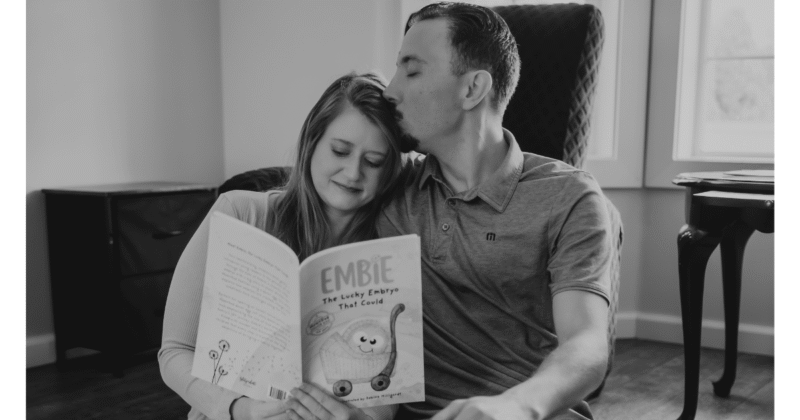
Supplying resources can also be helpful. After my miscarriage my husband presented me with a book. It was called, I’ll Hold You in Heaven”.
I found great comfort in its pages, but it was more than that. It was my partner saying: I’m here for anything you need, I love you, what you are feeling is valid”.
Summing up
It took some time and some healing, but eventually I realized that I hadn’t failed; I had succeeded. For whatever reason, my role in that little being’s existence was a short one. I had done all I could under the circumstances, and that was enough.
Though that was my first pregnancy and first miscarriage, it wasn’t my last for either. My family grew by two biological children, one adopted child, and two little ones I never got to meet.
If you or someone you know have suffered a miscarriage, please know you are not alone. Support is available.
Whatever you are feeling is valid. Take the time to process, heal, and move forward at your own pace.
References
Dugas C, Slane VH. Miscarriage. [Updated 2022 Jun 27]. In: StatPearls [Internet]. Treasure Island (FL): StatPearls Publishing; 2022 Jan-. Available from: https://www.ncbi.nlm.nih.gov/books/NBK532992/