• Perimenopause: Changing Your Movement Practice(s) to Meet the Changing You

    Movement and lifestyle specialist Tracy (Tess) Pattison advises on how to change exercise patterns to suit your changing body.

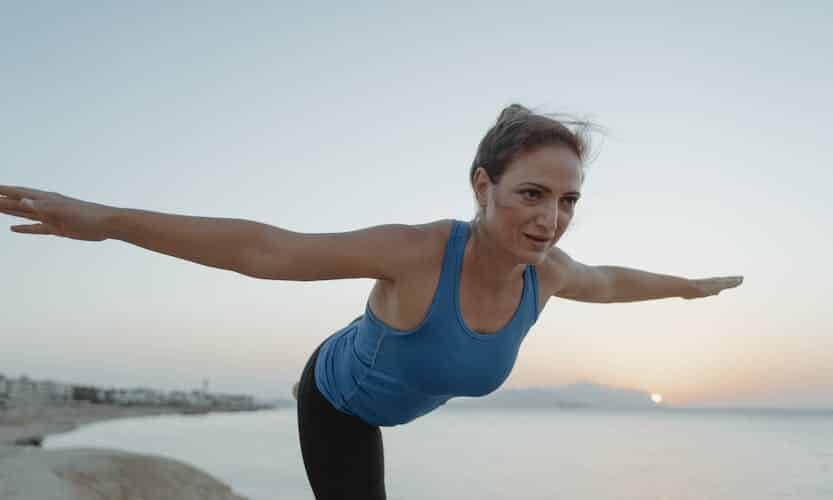
    Your PMS is worse, you have joint pain, you’re exhausted, not energized after workouts, movement that once felt good hurts, and you’re heavier despite your consistent routine. You’re wondering: “Do I need to ‘go harder’? Are my hormones off?” More likely they are signaling change and it’s perimenopause, your “grace period” (no pun intended) to make exercise for maintaining health and function a priority.

    “Perimenopause?! I’m not that old!” 

    Be reassured, you’re not old and this is not the beginning of the end! Perimenopause is defined simply as “around menopause” describing the years preceding the end of your reproductive window. While symptoms vary and might begin a full 10 years prior to your last menstrual period, every woman can change her routines to meet her changing body.

    Optimize your exercise in perimenopause:

    • Start thinking of movement as essential. Shift pursuing a “bikini body”, to focus on maintaining health and function
    • Train your core and pelvic floor for post-pregnancy, sexual health, urogenital symptoms like stress incontinence, and preventing or improving prolapse. See Female Health & Fertility magazine, Issue #1. (Pattison, 2023)
    • Keep up cardiovascular training but stop focusing on burning calories and weight management. The CDC and The American Heart Association advise 150 minutes moderate, to 75 minutes intense, cardio per week for adults. Vary intensity and duration to make training sustainable and energizing, not impossible and exhausting. Understand your Maximum and Target Heart Rate. (Target Heart Rates Chart, 2023) Moderate intensity can minimize common perimenopause injuries. Variability and consistency become more important than duration and intensity (swimming or walking could sometimes replace Spin or HITT class for example)

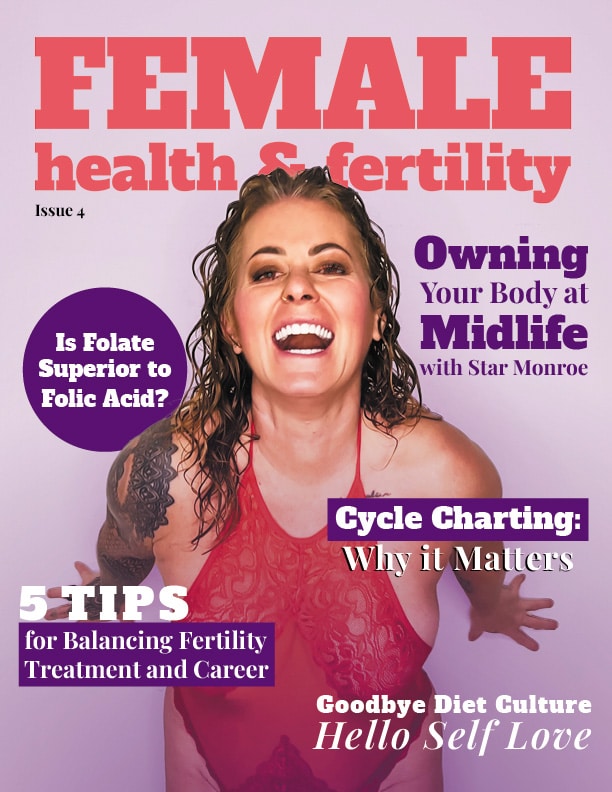
    Read the full version of this article in Issue 4 of Female Health & Fertility magazine.

    OR

    September issue Female Health and fertility

    Share this blog post

    Facebook
    Twitter
    LinkedIn

    Read our latest issue

    Support Female Health & Fertility

    We hope you enjoyed this article. To help us to create more content like this, please consider becoming a paid subscriber to Female Health & Fertility magazine.

    Read more from our blog

    Get your FREE Copy of Female Health & Fertility Magazine

    *You’ll also receive our free newsletter!
    EM Logos FINAL_Text Image Logo_White
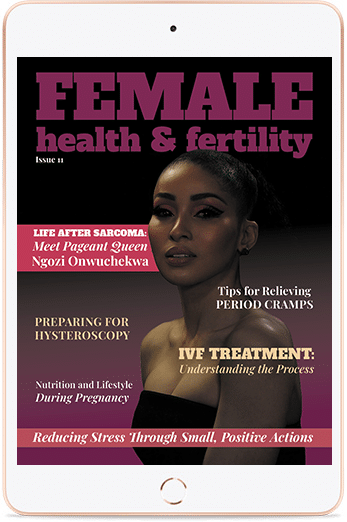
    08.24_FHF_Issue11_cover_F