In the earliest days of my first pregnancy I was living in a foreign country; I knew almost no one, and my French was awful. With a non-existent social life, I had way too much time to research everything that could go wrong. I spent my time with scary statistics; one I returned to relentlessly loomed large in its suggestion of one in three pregnancies ending in miscarriage (when taking undetected pregnancies into account).
As my pregnancy progressed, I made a few acquaintances, but I decided to keep my pregnancy private for the first 12 weeks. My decision became challenging when I developed severe morning sickness.
I would eat a spoonful of yogurt and throw up for three days. I tried everything, from the more mundane, to inventive ideas I found on pregnancy forums, including motion sickness armbands worn by sailors.
To cover the armbands, I would wear long-sleeved shirts in the sweltering heat. My husband’s new colleagues got to know me as the underweight, pale, sweater-in-summer wearing wife.
In retrospect, it would have made life much easier had I decided to share my news. But for most of us, privacy relating to reproductive issues—anything from periods to pregnancy—remains a challenging issue.
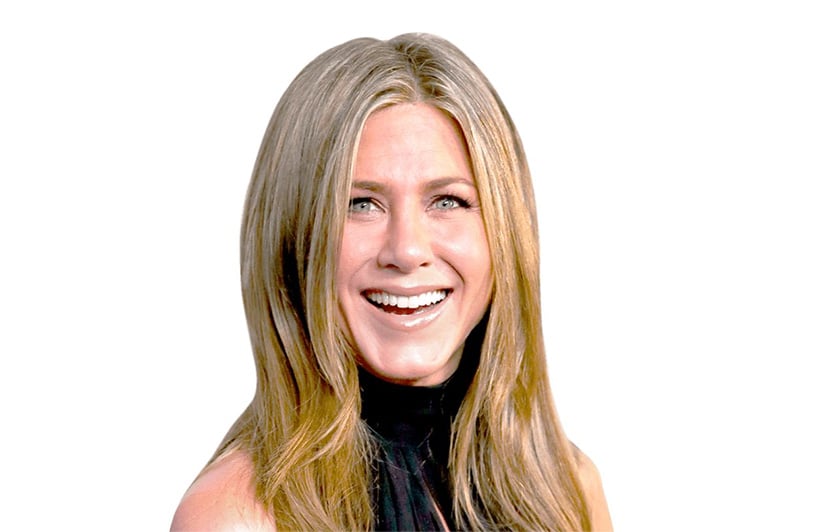
Jennifer Aniston recently revealed a little about her IVF journey in an interview with Allure magazine. Over the years, the media declared her “pregnant” every few months; exhaling was sometimes enough to create a tabloid cover with the “expectant mother”…celebrated for finally fulfilling the public’s need for celebrity offspring .
Her fame and success did not protect her from society’s speculation about her reproductive health. Why, despite all the progress we’ve made, are women still pressured to provide procreation status updates?
Imagine Leonardo DiCaprio facing the same scrutiny. Endless media speculation about when we’ll finally see him pushing a pram. Mostly, we seem content to let men make up their minds about having, or not having kids. Women, on the other hand, are often subjected to intrusive questioning about their desire and proposed timeline for reproducing.
For women dealing with fertility struggles, privacy may be an especially relevant and sensitive topic.
To tell or not to tell
Imagine a day in Jennifer Aniston’s glamorous shoes. She’s been painted by some as a career-obsessed diva too selfish to have children; still others spun narratives of a desperate woman, a failure because she couldn’t give Brad Pitt the babies he so desperately wanted.
With reference to her latest revelations, the lies made up by the media seem especially cruel.
Many women bear the same burden when dealing with fertility struggles. Questions like, “So when are you finally going to have a baby?” may be intrusive and annoying, but to women undergoing IVF it also adds pressure.
Some women handle it by being open about their IVF journey. They feel open conversations will encourage other women to share their own struggles. Being open with family and friends means loved ones can offer their support; and perhaps they’ll be more understanding about missed appointments and last minute cancellations.
On the other hand, many couples feel opening up about IVF means they take on the burden of others’ expectations in addition to their own. Having to answer questions about IVF outcomes, especially after multiple treatments, may be stressful.
In this case “your body, your choice” rings especially true; opening up about fertility issues should not feel forced. Feeling added pressure from curious and concerned people could make fertility treatment even more stressful. The best advice is to take charge of what and how much you are willing to share.
Close-ended answers
Perhaps sharing that IVF may be a (future) option is enough. If that’s all you want to share, be firm about your resolution. Telling people—the ones you want to include—that your fertility journey is private, but you’ll share updates when you are comfortable, should take care of unwanted questioning.
How much you share at work should be protected by labor laws and company policies. Women need to be especially careful about scrutinizing the maternity and medical policies of prospective employers. Ideally, employees should be offered appropriate support when facing any health challenges; moreover, their privacy should be protected when they are undergoing treatment for fertility or any other wellbeing issues.
In a perfect world, talking (or not talking!) about periods, menopausal symptoms, or our reproductive health and issues would be devoid of judgment. In this utopia, privacy would be a real choice, electing not to share would be deliberate, because we don’t want to; not because our bodies, bodily functions and our choices are deemed undesirable and better left unsaid. It would be okay for women to say, “I just don’t want kids,” or “I’m going through IVF, but it’s really none of your business.”
Unfortunately, reading about the privacy struggles of a famous actress shows that kind of world is still a faraway land at present.