If you have started peri-menopause or gone through menopause, you may have experienced symptoms that affected you physically, mentally and emotionally, from hot flashes and mood swings to joint pain and vaginal dryness. Depending on your symptoms and their severity, you may have looked for a solution to help alleviate them; this is where hormone replacement therapy (otherwise known as HRT) comes in.
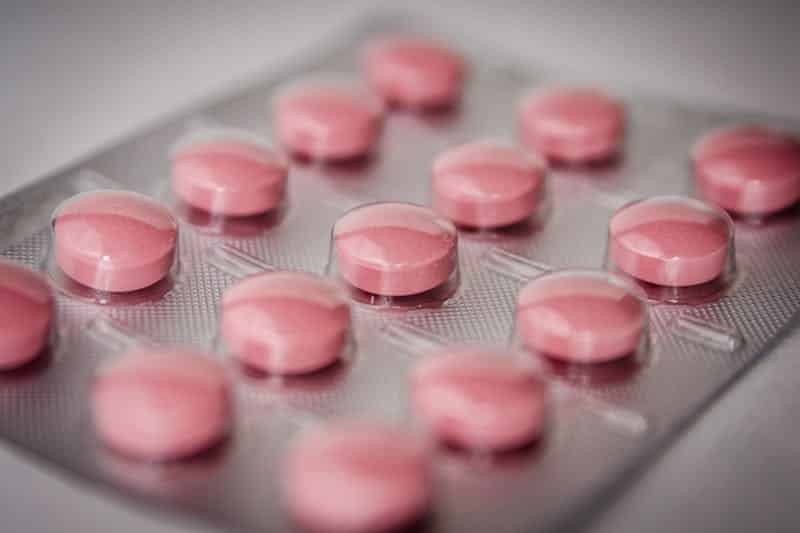
Prescribed as a gel, a pill, or even as a skin patch, hormone replacement therapy (HRT) for menopause has become a lifesaver for many undergoing menopause. But what is it? How does it help? And are there any reasons why your doctor may be hesitant to prescribe it? Read on to find out.
What is Hormone Replacement Therapy (HRT)?
Hormone replacement therapy, or HRT as it is widely known, is medication used to replace the lost hormones oestrogen and/or progesterone in a person. It is used in various situations but it has become associated with menopause, with doctors prescribing HRT to help relieve symptoms such as hot flashes, joint pain and brain fog and improve overall mental and cognitive wellbeing.
HRT can be prescribed for menopause as oestrogen-only or combined with progesterone and comes in multiple forms for easy use, including tablets, creams, skin patches, sprays, and vaginal creams. Before buying HRT, you must talk to your doctor to determine if it is the right option, understand the risks, and decide which form of HRT would work best for you.
When Is HRT Used?
HRT is used in other situations, such as cancer treatment and in the transgender community, but it has become a common prescription for menopausal women, where the natural process of the ovaries stopping producing eggs causes hormone levels of oestrogen and progesterone to drop.
For many, this can cause multiple side effects, as explained above, which can be difficult to live with. HRT is a bioidentical (or artificial) hormone that has been found to offer relief and even counteract some of these symptoms as they replace the hormones that are “lost” during this time.
What Are The Benefits Of Using HRT?
HRT, especially when given a combined dosage of estrogen and progesterone, has been found to offer the following benefits for users:
- Relief from menopause symptoms such as hot flashes and insomnia
- Improved mental connectivity and fewer mood swings
- Protects against thinning of the bones (which can happen as oestrogen levels drop)
- Reduces thinness and enhances elasticity in hair, skin, and vaginal muscles
- Better cardiovascular health
Where Can I Get HRT?
In most cases, HRT can be prescribed by your doctor. However, in certain countries, it has also been something that can be bought online through menopause care or sexual wellness brands. However, if you want to buy it over the counter or online, it is essential to talk to your doctor first to ascertain what form and combination is safe for you.
You can also visit a dedicated HRT Clinic which focuses on menopause care. These clinics provide highly personalized care plans, including monitoring your hormone levels throughout and conducting thorough assessments before prescribing HRT to determine the best form and dosage for you and your medical history.
Are There Side Effects When Using HRT?
Like with all medications, HRT can come with some side effects, especially as you begin taking it. Some of these include: breast tenderness, headaches and nausea, mood changes, bloating, and in certain instances, vaginal bleeding and spotting.
In most cases, these side effects depend on what type of HRT you are prescribed as well as the form in which you take the HRT. If side effects persist more than a few days, you should consult your doctor.
What Are The Risks Of Using HRT?
Although HRT can be an excellent choice for many experiencing intense symptoms during menopause or when taken as a form of gender-affirming care, it does come with a significant risk.
Some studies have shown that prolonged taking of HRT is linked to a higher risk of ovarian and breast cancer, heart disease, cardiovascular issues, strokes, and pulmonary embolisms (blood clots).
However, the chances of this are also thought to be influenced by factors such as family medical history, genetics, age, weight, dosage, and the type of HRT prescribed.
When Is HRT Not Prescribed?
Although HRT has been found to have multiple benefits, there are some instances in which a doctor will not prescribe HRT, and an alternative may be recommended instead.
Doctors will not prescribe HRT to someone who has:
- A history of breast, ovarian, or uterine cancer
- A history of blood clots
- A history of heart disease or stroke
- Untreated high blood pressure
- Liver disease
- Pregnancy or breastfeeding
- A rare inherited condition called porphyria
- Migraines or severe headaches
- Lupus
- Epilepsy
- Various other conditions (this list is not exhaustive)
What Are Some HRT Alternatives?
For those seeking an alternative to HRT, there are various options available, including medicinal, natural, and lifestyle changes that have been shown to alleviate menopause symptoms.
For example, antidepressants like Prozac and the epilepsy medication Gabapentin have been found to reduce hot flashes. Additionally, several SSRIs have been prescribed to help ease multiple menopausal symptoms, including brain fog and mood swings.
Alternatively, wild yam creams and natural supplements such as black cohosh, red clover, and soy products have also demonstrated effectiveness in easing symptoms for those preferring a more natural approach. For those suffering from vaginal dryness, using a water-based lubricant during sex, a moisturizer or a vitamin E suppository can help relieve itchiness and dryness.
In addition, lifestyle changes like eliminating caffeine, fatty and processed foods, and alcohol can help alleviate some physical symptoms of menopause. At the same time, meditation, exercise, and yoga may assist with insomnia and mood issues.
Conclusion
For those who are starting peri-menopause or have already begun their menopause journey, it can be a mentally and emotionally taxing period.
HRT can be a blessing for those going through menopause; however, before you decide to buy any from an online store, talk with an HRT clinic or your doctor to better understand how HRT can help, the correct length of time and way to use HRT and the risks associated with its use.
References:
Canadian Cancer Society. All About Hormone Replacement Therapy, Canadian Cancer Society. cancer.ca/en/cancer-information/reduce-your-risk/understand-hormones/all-about-hormone-replacement-therapy
Chlebowski, R. T., & Aragaki, A. K. (2023). The Women’s Health Initiative randomized trials of menopausal hormone therapy and breast cancer: findings in context. Menopause (New York, N.Y.). 30(4), 454–461. doi.org/10.1097/GME.0000000000002154
Eiken P, Mosekilde L et al. (2012). Effect of hormone replacement therapy on cardiovascular events in recently postmenopausal women: randomized trial. BMJ. 345:e6409 doi:10.1136/bmj.e6409
Khoo, S. K., Coglan, M. J., Wright, G. R., DeVoss, K. N., & Battistutta, D. (1998). Hormone therapy in women in the menopause transition. Randomized, double-blind, placebo-controlled trial of effects on body weight, blood pressure, lipoprotein levels, antithrombin III activity, and the endometrium. The Medical Journal of Australia. 168(5), 216–220.
Komesaroff, P. A., Black, C. V., Cable, V., & Sudhir, K. (2001). Effects of wild yam extract on menopausal symptoms, lipids, and sex hormones in healthy menopausal women. Climacteric: The Journal of the International Menopause Society. 4(2), 144–150.
Mundasad, S. (2024). Hormone replacement therapy and menopause: What you need to know about HRT. BBC. Hormone replacement therapy and menopause: What you need to know about HRT – BBC News.
Vinogradova Y, Coupland C, Hippisley-Cox J. (2020). Use of hormone replacement therapy and risk of breast cancer: nested case-control studies using the QResearch and CPRD databases. BMJ. 371:m3873 doi:10.1136/bmj.m3873