Menstruation differs for each individual but it should not generally be a painful experience. Unfortunately though, while most periods last three to five days, some last significantly longer with a more-than-expected volume of blood. So, what is menorrhagia?
Menorrhagia is the formal term for heavy menstrual bleeding that lasts for more than seven days. While some discomfort and bleeding happen frequently during menstruation, menorrhagia exceeds normal levels, resulting in heavy bleeding that might hinder everyday activities and potentially lead to health concerns.
Here are some of its symptoms, risk factors, and possible treatment options.
Symptoms of Menorrhagia
Abnormally heavy bleeding
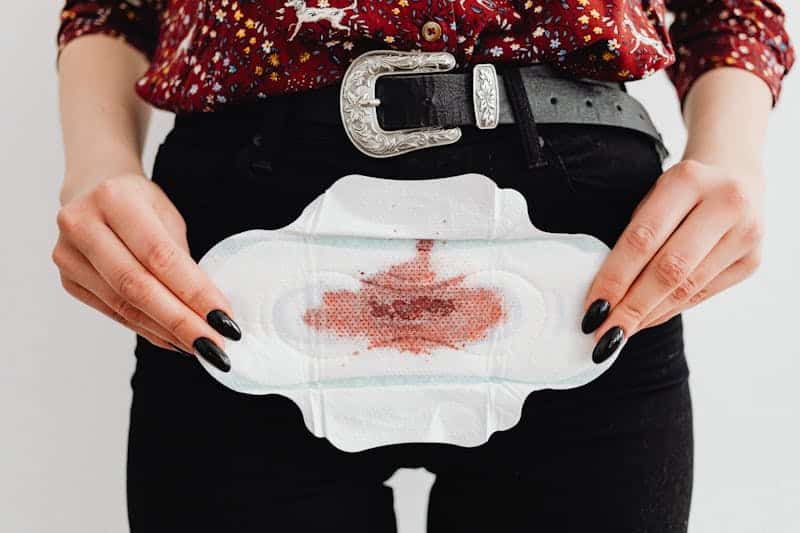
Abnormally heavy bleeding is one of the main indicators of menorrhagia. This could involve passing big blood clots, needing numerous sanitary wear changes, or quickly soaking through tampons or sanitary pads.
A woman usually loses between 30 and 40 millilitres (ml) of blood during her menstrual cycle. This generally means that, with a slight margin for shorter use on the first and second days, you should soak your sanitary pad or tampon four to six hours after putting it on/in.
If you reach out for new pads or tampons every three (or less) hours, this indicates menorrhagia.
Prolonged menstruation
The menstrual cycles of women who suffer from menorrhagia frequently extend beyond the usual five to seven-day timeframe. It is possible for the bleeding to last longer than a week—up to two weeks or longer in certain cases.
If your period lasts for more than a week, make sure to seek professional medical advice as soon as possible.
Blood clots
Menstrual blood clots occur regularly in many women, but menorrhagia causes larger and more frequent clots. The common blood clots during your period should not be bigger than a coin.
Weakness and fatigue during periods
It is common to experience mild lower abdominal pain and weariness during your period. However, these symptoms shouldn’t stop you from moving around or being active on these days. Excessive blood loss during menstruation can induce weakness and weariness because the body has to work harder to replace lost blood cells.
Weakness and feeling lethargic during your period or more severe pain could be an indicator of other concerns in your reproductive and hormone systems.
What causes menorrhagia?
Hormonal imbalance is often the cause of menorrhagia. The hormones that control your cycle, namely progesterone and estrogen, might become out of balance, resulting in a thicker uterine lining that sheds more heavily during menstruation.
The following are some potential causes of menorrhagia:
Uterine Fibroids or Polyps
These are (usually) non-cancerous growths that develop in the uterus.
Uterine fibroids are one of the main causes of menorrhagia and can vary in size and quantity. Larger fibroids have the potential to obstruct the uterine muscles’ regular contraction, which can result in excessive or protracted monthly flow. Meanwhile, polyps tend to be smaller than fibroids and are attached to the womb lining by a stem. They also have the potential to cause painful and heavy bleeding, and have a small risk of carrying cancer cells.
Polycystic Ovary Syndrome (PCOS)
PCOS is one of the most common cases behind fertility and reproductive-case hormonal imbalances in women (often linked to unusual periods).
PCOS is a hormonal condition that can lead to ovulation issues and irregular menstruation. PCOS women may have irregular ovulation, which can cause hormonal abnormalities and heavy menstrual flow.
Endometriosis
Endometriosis is when the tissue that normally lines the inside of the uterus (endometrium) grows outside the uterus, such as on the ovaries, fallopian tubes, or pelvic organs.
Women with immediate family members diagnosed with endometriosis have higher risks of having the condition themselves.
Adenomyosis
Adenomyosis is another condition that leads to unusually long or heavy periods. It is thought to be rarer than endometriosis, although research now suggests it is more common than people realise. In adenomyosis, the tissue that lines the uterus (endometrium) grows into the muscular wall of the uterus.
How is menorrhagia diagnosed?
Menorrhagia should not be overlooked. If heavy periods interfere with your life or result in serious discomfort, you should consult a doctor. Early detection and treatment can help manage the condition and prevent consequences such as significant blood loss, anemia, and other conditions.
Your doctor will likely conduct a medical history review and pay special attention to your risk factors and other illnesses related to the female reproductive system. Tests conducted may include an ultrasound, pap smear, and blood tests.
Navigating menorrhagia
Treatment of menorrhagia focuses on alleviating the pain and reducing how much it affects your daily life. The options available may change depending on the person’s preferences and the underlying cause of the heavy monthly bleeding.
Here are some ways people with menorrhagia can manage it better:
- Hormonal therapy: Oral contraceptives containing estrogen and progestin (progesterone) can help regulate menstrual cycles and reduce the severity of heavy menstrual bleeding.
- Nonsteroidal anti-inflammatory drugs (NSAIDs): such as ibuprofen or naproxen are commonly used to reduce menstrual pain and inflammation associated with menorrhagia.
- Lifestyle changes: Practicing relaxation techniques, such as deep breathing exercises, meditation or yoga, can help reduce stress levels and improve hormonal balance, thereby reducing menorrhagia.
Conclusion
Menorrhagia, or heavy menstruation, has a severe impact on a woman’s physical, emotional, and social well-being. Women can, however, take charge of their reproductive health and find relief from the hardships of heavy monthly bleeding if they have the correct support, information, diagnosis and therapy in place.
References:
Centers for Disease Control and Prevention. Heavy Menstrual Bleeding. cdc.gov/female-blood-disorders/about/heavy-menstrual-bleeding
Mayo Clinic. Heavy Menstrual Bleeding. mayoclinic.org/diseases-conditions/menorrhagia/symptoms-causes/syc-20352829