



My Journey with Cushing’s disease
At 30 years old, I was fit, healthy and naturally a size 8–10. I knew my body well, which is why, when it started to



Let’s set the scene: you and your partner have been having a date, and things quickly heat up; you go to bed, and as you are naked and ready to go, suddenly, you get a sharp, stinging pain in and around your vulva stopping all activities in their tracks. This is dyspareunia, a condition that affects between 8-35% of vulva owners throughout their lives, with the breakdown showing that in the UK, studies have reported that 7.5% of sexually active women reported pain in the vulva and vaginal area during and after sex and in the US this was found in 10-20% of women.
In this article, we will look at the meaning of dyspareunia, some of the leading causes, including menopause and endometriosis, and the current range of treatments available. As well as look at how you can get your sex life back on track after diagnosis.
Dyspareunia is described as a recurrent pain in the genitals either before, during, or even after sex; it is something that can occur in both men and women, although it is more likely to occur in females, with 3-18% of the population suffering with this condition at some point in their lives.
The main symptoms of the condition include:
Due to the prevalent pain caused during entry, it is often overlooked and misdiagnosed as vaginismus due to the similarities in symptoms. However, unlike vaginismus, where the symptoms occur before or during penetration. Many with dyspareunia also experience a throbbing, stinging pain in the vulva for hours after intercourse has occurred.
Currently, medical studies have been at a loss to decide if it counts as a pain condition or a sexual condition. However, they have identified that it can be brought on by both physical and psychological issues, with studies into the condition identifying two types of dyspareunia. This is either superficial dyspareunia: where the patient experiences pain limited to the vulva or vaginal entrance, it is often referred to as superficial introital dyspareunia because the pin only occurs in the introital area—or deep dyspareunia, which includes pain in deeper parts of the vagina or lower pelvis.
As well as this, medical studies have identified that a patient can also. have primary or secondary dyspareunia. This determines when the pain starts, with primary dyspareunia pain occurring at the start of sexual intercourse. In contrast, with secondary dyspareunia, the pain occurs after a period of pain-free sexual activity in the patient.
But what causes Dyspareunia, and can we treat the condition?
Although it can occur at any time, many find that depending on the type of dyspareunia you are diagnosed with, it can be caused by different issues, including infection, age, and even mental health.
Some of the leading causes can be because of underlying health conditions such as STIs or vaginal infections that cause inflammation and irritation around the vaginal opening and vulva itself, alongside other more serious medical issues such as endometriosis, menopause, and even childbirth.
Secondary deep Dyspareunia can be found most commonly in women who are going through menopause or have recently gone through it, endometriosis, and even during postpartum after recent childbirth.
Dyspareunia is more likely to occur in women who are menopausal or postmenopausal; this is because many of the symptoms that occur because of menopause: the lack of natural lubricant, th muscle atrophy in the vaginal canal, and the loss of elasticity in the vulva muscles can all lead to the development of both superficial and deep dyspareunia.
For women suffering from endometriosis, deep dyspareunia can also occur because of the development of endometrial lesions that grow in the vaginal walls and the pelvic cavity. When penetration occurs, these lesions can be affected and become painful because of external impact against them.
To get a diagnosis, you need to arrange a talk with your doctor and explain your symptoms (for ease, make a note over three months of when your symptoms occur to talk to your doctor.) Your doctor may then want to do an ultrasound or a physical examination to check for inflammation or any other potential causes of the pain.
After this, your doctor will then look to offer you a range of different types of treatments to help make the pain manageable.
Currently, the main treatments for dyspareunia include hormonal therapy, such as taking HRT and vaginal estrogen.
Alongside hormonal medications, there are non-hormonal treatments for those suffering from dyspareunia, such as applying moisturisers directly to the area. As well as FDA-approved Ospherina, which helps make the lining of the vaginal area thicker and more hydrated after menopause, and the use of DHEA, which is a steroid applied directly to the vagina to help with postmenopausal dyspareunia.
Some of the leading causes of primary can be STIs or vaginal infections, with treatments being focused on reducing the disease, irritation, and swelling in the vulva area. There are also non-medicinal therapies, including pelvic floor therapy, which is beneficial for those suffering from deep dyspareunia when the pain occurs in the pelvic floor as well as the vaginal canal.
When treating painful sex after menopause, many doctors may recommend that alongside HRT and vaginal estrogen supplements, using lubricant during sex to help make up for the loss of natural lubricant and focusing on foreplay or non-penetrative sexual activities can also help treat the main symptoms of dyspareunia.
For those who experience superficial introital dyspareunia around the entry vagina because of a narrow vaginal opening, studies have also shown that having surgery to widen the area can also be beneficial. However, this would be a last resort due to the intrusiveness of the treatment.
For the psychological symptoms and to help regain sexual confidence, your doctor may also recommend sexual therapy and counselling alongside treating the physical symptoms.
One study found that by combining estrogen therapy and medicine with trigger point therapy and acupuncture to help with pain management, they were also able to treat the symptoms. However, to find a treatment that helps you, talking with your doctor is crucial to understanding the benefits and drawbacks of each available option.
Although there are treatments to help with dyspareunia, prevention is another way to ensure your vulva stays healthy no matter your age.
Firstly, maintaining vulva health by using non-scented soaps, wearing easily breathable underwear, and practising safe sex to prevent STIs that can also cause dyspareunia can go a long way in preventing dyspareunia.
No matter your age, focusing on masturbation or prioritising foreplay during sex can help you to prevent dyspareunia. It allows you to keep the vulva healthy, keep the muscles engaged, prevent the loss of elasticity that happens with age, and stimulate natural vaginal lubrication.
As well as this, regularly doing pelvic-floor exercises such as kegals can prevent dyspareunia caused by pelvic floor issues such as pelvic organ prolapse.
Although anyone can develop deep or superficial dyspareunia, as we have previously discussed above, it is more common to develop in women who are postpartum, perimenopausal, and menopausal and post-menopausal. So, how can you take extra precautions during these times to help prevent dyspareunia?
For postpartum women, it is recommended that you wait 6-8 weeks before intercourse to prevent developing postpartum dyspareunia. This allows the muscles in the vulva to heal, preventing pain during intercourse.
For those who are going through menopause, you can take other precautions to stop the development of menopausal or post-menopausal dyspareunia. Due to the natural effects of menopause on the vulva, including the muscles in the vaginal wall losing their elasticity and it becoming harder to lubricate the vulva when turned on naturally, many women find that they develop deep dyspareunia. Introduce moisturisers and lubricants to help with natural lubrication and keep the area healthy during and outside of sex; you may find that sex becomes easier.
Painful sex, especially in and around the vulva and vaginal opening, can be distressing no matter what age you’re at and cause your sex life to take a nose dive. So, can you still have sex if you have dyspareunia? The answer is yes, but you may need to change some things in your sex life to make it as painless as possible.
As we know, one of the leading causes of dyspareunia and painful intercourse is a lack of lubrication. For women who have undergone menopause or are going through peri-menopause, this can become more of a problem as it gets harder and harder to produce natural lubrication. So, adding water-based lube to your sex checklist can be a great start to helping reduce the pain and make sex easier.
Alongside this, trying new sexual positions and techniques can be a great way to renew intimacy and enjoy sex after a dyspareunia diagnosis. Try focusing on non-penetrative sexual positions like cunnilingus or intercrural sex and prolong foreplay between you and your partner to make sure that you are ready to go when it comes to the next stage.
Or why not look at mutual masturbation? For women going through menopause regularly enjoying sexual activity (either on your own or with a partner), continuous sexual activity can be a great way to keep the vulva healthy, help you to produce natural lubrication, and stretch out the muscles of the vulva that naturally tighten, all of which can help you manage the symptoms of your dyspareunia both pre and during menopause.
Taking care of your vulva health should be a priority, no matter your age. As we get older and experience childbirth, menopause, or even develop medical issues such as endometriosis, it can often feel like our vulva health declines and turns on us, taking away pleasure. Our sex life as intercourse becomes painful. However, it is essential to understand this should not be the case. If you find that you are suffering from pain either before, after, or during intercourse or when using sex toys during masturbation, then you should go to the doctor.
By receiving a formal diagnosis for dyspareunia and understanding if you suffer from deep or superficial dyspareunia, you and your doctor can work out a treatment plan that works for you.
Arthur B, Chung MK, Brobyn T, LaRiccia PJ. (2019). Successful Treatment of Dyspareunia with an Integrative Medicine Approach: A Case Report. Integr Med (Encinitas). 2019 Dec;18(6):38-41. PMID: 32549855; PMCID: PMC7238908.
Cleveland Clinic. Living with Dyspareunia (Painful Intercourse). Cleveland Clinic. https://my.clevelandclinic.org/health/diseases/12325-dyspareunia-painful-intercourse#living-with
Donders, G.G.G., Bellen, G., Peperstraete, B. et al. (2012). Simple posterior vestibuloplasty for central introital dyspareunia. Gynecol Surg 2012 9, 297–302.
Harvard Health Publishing. (2019). When Sex Gives More Pain Than Pleasure. Harvard Health Publishing. https://www.health.harvard.edu/pain/when-sex-gives-more-pain-than-pleasure
Jean Hailes for Women’s Health. Painful Sex Dyspareunia. Jean Hailes. https://www.jeanhailes.org.au/health-a-z/sex-sexual-health/painful-sex-dyspareunia
Latthe P, Latthe M, Say L, et al. WHO systematic review of prevalence of chronic pelvic pain: a neglected reproductive health morbidity. (2006). BMC Public Health. 2006 Jul 6;6:177.
Laumann EO, Paik A, Rosen RC. (1999). Sexual dysfunction in the United States: prevalence and predictors. JAMA. 1999 Feb 10;281(6):537-44.
Mitchell KR, Geary R, Graham CA, et al. (2017). Painful sex (dyspareunia) in women: prevalence and associated factors in a British population probability survey. BJOG. 2017 Oct;124(11):1689-97.
Olivia Cassano; Edited by Dr. Krystal Thomas-White. Eight Ways to Treat Painful Sex during Menopause. Evvy. https://www.evvy.com/blog/eight-ways-to-treat-painful-sex-during-menopause
Privitera, G., O’Brien, K., Misajon, R., & Lin, C. Y. (2023). Endometriosis Symptomatology, Dyspareunia, and Sexual Distress Are Related to Avoidance of Sex and Negative Impacts on the Sex Lives of Women with Endometriosis. International journal of environmental research and public health, 20(4), 3362. https://doi.org/10.3390/ijerph20043362
Susan Hoffstetter, PhD, WHNP-BC, FAANP, Managing Postmenopausal Dyspareunia. NP Womens Healthcare. https://www.npwomenshealthcare.com/managing-postmenopausal-dyspareunia-an-update/
Tayyeb M, Gupta V.(Updated 2023). Dyspareunia. StatPearls [Internet]. Treasure Island (FL): StatPearls Publishing; 2023 Jan-. Available from: https://www.ncbi.nlm.nih.gov/books/NBK562159/
We hope you enjoyed this article. To help us to create more content like this, please consider visiting our Shop.
At 30 years old, I was fit, healthy and naturally a size 8–10. I knew my body well, which is why, when it started to
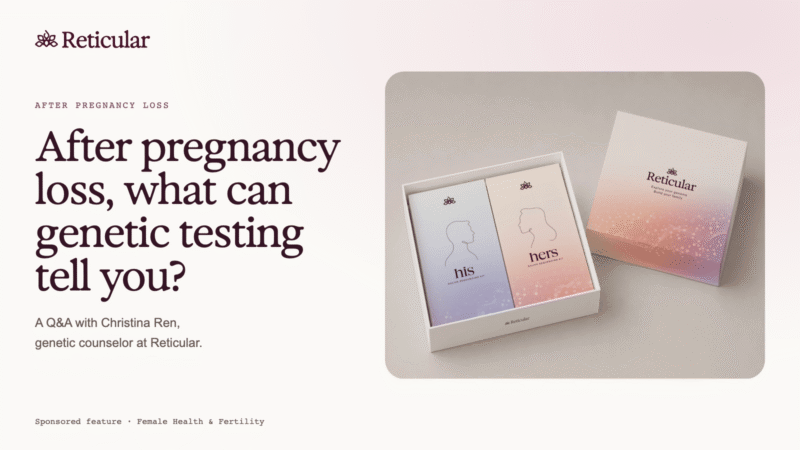
If you’ve had more than one loss, you may already have had chromosome testing, a karyotype or carrier screening, and still no answer. Here is

I am 36 years old, and I have spent a large part of my life trying to understand my own body and trying to become

